Why a Garden-Grown Tomato Tastes and Feeds the Body Completely Differently From a Supermarket One
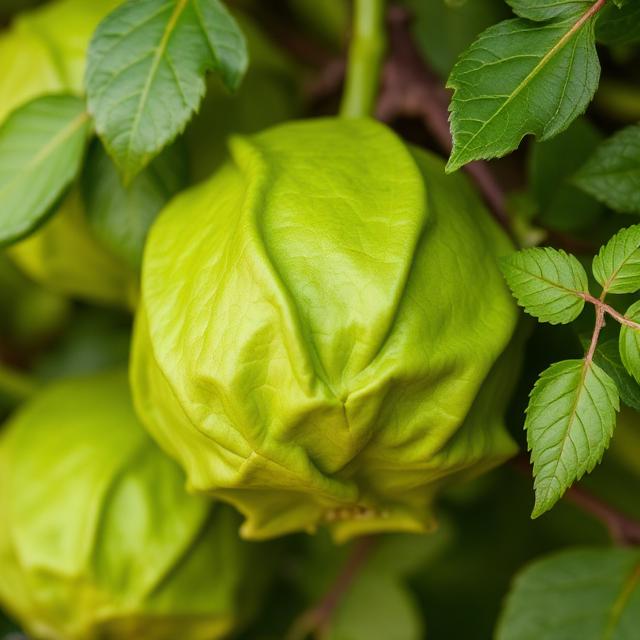
A tomato allowed to ripen fully on the vine in a home garden is biochemically a different food from the same variety picked green, gassed with ethylene, and shipped refrigerated across the country to reach a supermarket shelf. The flavour difference is obvious to anyone who has tasted both, but the nutritional difference is just as substantial and tends to get overlooked in discussions focused on organic versus conventional production. The relevant variable is not organic certification — it is whether the fruit completed its ripening on the plant or on a truck.
What Happens in the Final Days of Ripening
During the last week of a tomato's time on the vine, the fruit undergoes a coordinated biochemical transformation that produces the sugars, acids, aromatic volatile compounds and lycopene concentration associated with a real ripe tomato. The chlorophyll in the skin breaks down and gives way to the carotenoid pigments that carry the deep red colour; the starch in the flesh converts to simple sugars that can be tasted as sweetness; the cell walls soften through enzymatic action; and the production of volatile esters builds toward the complex perfume that a fresh garden tomato releases when cut.
A tomato picked at the green stage — which is standard practice for long-distance commercial shipping because green tomatoes ship without damage — never completes this process in the normal way. Ethylene gas applied in warehouses can trigger the colour change and surface softening, but the synthesis of sugars and aromatic compounds happens only when the fruit is still connected to the parent plant's nutrient supply. The result is a fruit that looks red but tastes like nothing much and contains measurably less lycopene, vitamin C and potassium than a vine-ripened counterpart of the same variety.
Growing Tomatoes in Almost Any Space
Producing better tomatoes than any supermarket can offer does not require a country garden or even much space. Two or three healthy plants in large pots on a sunny balcony will yield through the entire summer and into early autumn in most temperate climates, and the soil volume required — around twenty litres per plant — is modest enough for any outdoor windowsill or terrace that gets at least six hours of direct sun daily. Indeterminate cherry tomato varieties are the most productive and forgiving choice for container growing; they fruit continuously once started and tolerate the variable watering that container life imposes better than the larger beefsteak types.
The critical growing details are easier than most people fear. Use a good peat-free potting compost enriched with a handful of slow-release organic fertiliser at planting time; water deeply but not daily, allowing the soil surface to dry slightly between waterings to force the roots to grow downward rather than sitting wet near the surface; remove the small side-shoots that appear in the leaf axils of indeterminate varieties to concentrate the plant's energy on fruit production; and pick each tomato the moment it reaches full colour on the plant, before it falls or splits. A single cherry tomato plant managed this way can produce several kilograms of fruit across a season, and the flavour difference between that fruit and anything purchased is dramatic enough that once a household has grown its own for a single summer, buying out-of-season tomatoes tends to stop entirely.
Leave a Reply